Table of Contents
What Happens If You Default on a Timeshare?
*Wesley Financial Group, LLC, and its affiliates, successors, or assigns are not lawyers or a law firm and do not engage in the practice of law or provide legal advice or legal representation. All information, software, services, and comments provided on this site are for informational and self-help purposes only and not intended to substitute for professional advice, legal or otherwise. Any information provided herein is subject to change at any time.

If you are reading this, you have probably asked yourself what happens if you default on a timeshare and whether walking away is worth it. Maybe the maintenance fees keep climbing. Maybe you feel misled by the sales pitch. Maybe you cannot book the vacation you were promised. Before you fall behind, know that other options exist.
But default carries consequences that reach further than most owners expect. This article walks through each of them and introduces a safer path forward.
The Top 5 Timeshare Default Consequences
Here are the five main timeshare default consequences owners face, in order of impact:
- Credit score damage of 100+ points. A single missed payment can drop your score. A full foreclosure can sink it further and stay on your report for seven years.
- Foreclosure proceedings. The resort can pursue formal foreclosure on a deeded property, which becomes public record.
- Collection agency contact. Expect repeated calls, letters, and reports to the credit bureaus once your account is turned over.
- Deficiency judgment. If the resort recovers less than what you owe, some states allow it to sue you for the difference.
- Tax liability on forgiven debt. If the resort cancels part of your balance, the IRS may treat the forgiven amount as taxable income.
Understanding these consequences up front helps you weigh your options with clear eyes.
What It Means to Default on a Timeshare
Default happens when you stop meeting the financial obligations spelled out in your ownership agreement. That usually means one of two things: falling behind on mortgage payments if you financed the purchase, or failing to pay annual maintenance fees and special assessments.
The two forms of default on timeshare obligations trigger different responses. Missing mortgage payments often leads to acceleration of the loan and eventual foreclosure. Missing maintenance fees typically leads to collections, late penalties, and mounting interest, even if the timeshare is fully paid off.
Both paths hurt your credit. Both invite collection activity. And both leave the underlying agreement in place until it is formally resolved.
How the Timeshare Foreclosure Process Works
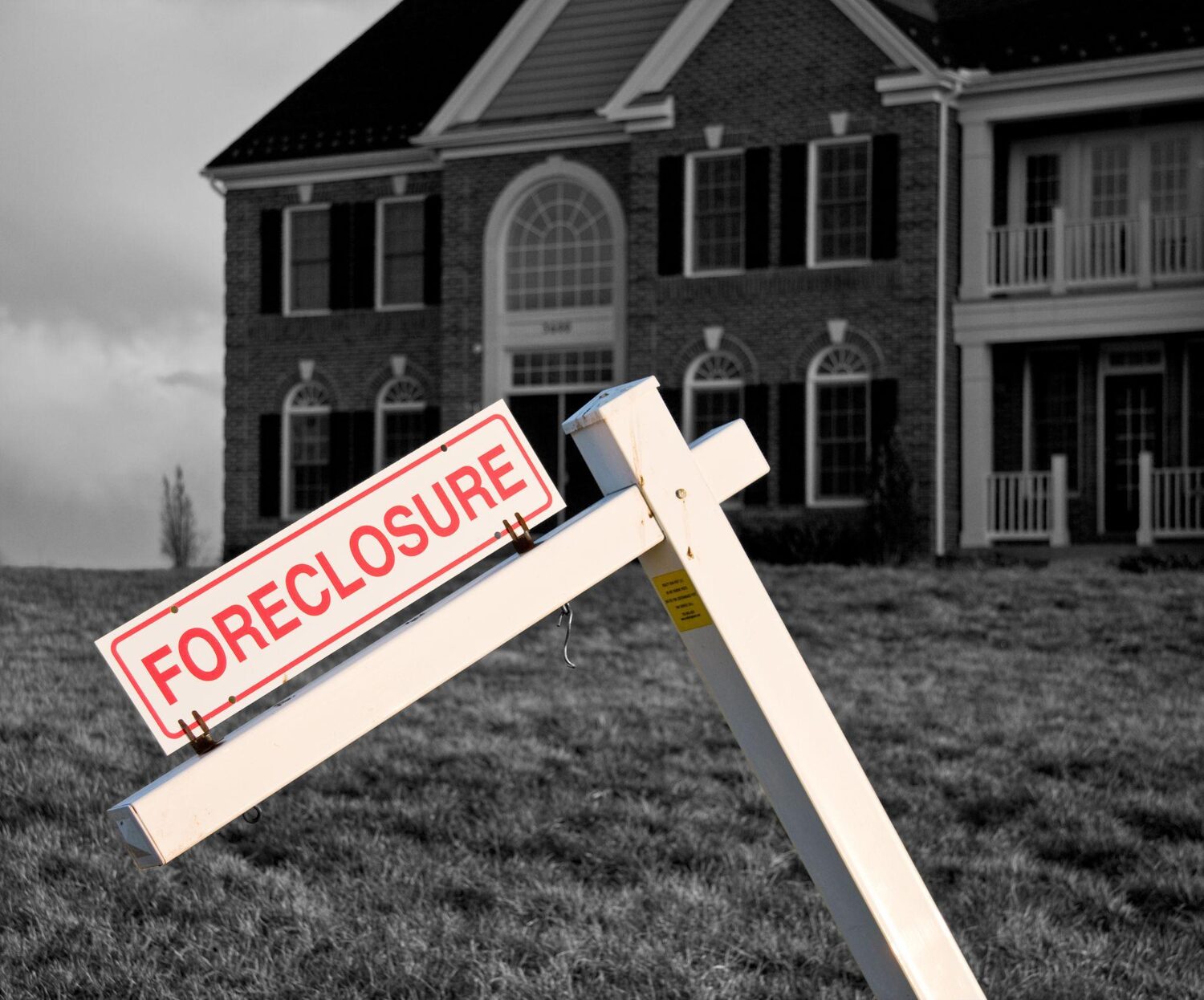
The timeshare foreclosure process usually follows a predictable pattern. First come the late notices, usually within 30 to 60 days of a missed payment. Next, the resort accelerates the balance, meaning the full amount owed becomes due immediately. From there, the file gets referred to a collection agency or trustee.
Formal foreclosure filing typically happens 3 to 12 months after the first missed payment, though timelines vary widely by state. Some states require a judicial process where the foreclosure moves through court. Others allow non-judicial foreclosure, where the resort can complete the process without a courtroom.
Every resort handles this differently. Some move quickly. Others let accounts sit in collections for a year or more while fees keep piling up. Either way, the outcome damages your financial standing and leaves a lasting record.
Different Rules Apply to Deeded and Right-to-Use Timeshares
The type of timeshare you own changes how default plays out.
- A deeded timeshare is treated like real property. If you default, the resort can pursue a full foreclosure, and the record becomes public just like a home foreclosure.
- A right-to-use timeshare works more like a membership. You do not own real estate. You own the right to use the property for a set period. If you default, the resort typically terminates your use rights and sends the account to collections rather than filing foreclosure.
Both paths damage credit. Both create financial stress. Most competing articles gloss over this distinction, but it matters when you are weighing your next move.
How Timeshare Default Impacts Your Credit Score
Credit score damage is one of the most immediate consequences of default. A single missed payment can drop your score by 50 to 80 points. A full foreclosure can drop it by 100 to 160 points and stay on your credit report for seven years.
Even if the only thing you stopped paying was timeshare maintenance fees, collection accounts still show up on your report. Lenders see them. Landlords see them. Anyone running a credit check sees them.
For pre-retirees planning to downsize, refinance a home, or help a child buy a first house, the timing could not be worse. A damaged credit score makes it harder to qualify for a mortgage, an auto loan, or a refinance at a reasonable rate. What started as a way to escape rising fees ends up costing far more in lost financial flexibility.
Deficiency Judgments and Collection Agency Involvement

After foreclosure, the resort may recover less than what you owed on the loan. In states that allow it, the resort can pursue a deficiency judgment for the remaining balance. That means a lawsuit, a court judgment, and potentially wage garnishment or bank levies depending on your state.
Timeshare collections tend to be persistent. Expect repeated phone calls to your home and cell, letters that escalate in tone, credit bureau reporting, and sometimes escalation to the courts. Fees and interest continue to accrue while the account sits in collections, which means the balance keeps growing.
You do have rights. The Fair Debt Collection Practices Act limits how and when collectors can contact you, and it prohibits harassment or misrepresentation. Knowing those rights helps, but it does not stop the underlying financial damage.
The Hidden Tax Consequences of Walking Away
Here is the consequence most owners never see coming. When a resort forgives or cancels part of your timeshare debt after foreclosure, the IRS may treat that forgiven amount as taxable income. The resort reports it on a Form 1099-C, and it lands on your tax return the following year.
Here is an example:
If the resort forgives $15,000 in remaining balance, you could owe federal income tax on that full amount. Depending on your bracket, that could add several thousand dollars to your tax bill in a year you were already stretched thin.
There are exceptions and exclusions in the tax code, and they depend on your personal situation. Talk to a qualified tax professional before assuming you are in the clear.
Can Timeshare Default Affect Employment or Future Housing?
Yes, though usually less severely than a home foreclosure. Some employers run credit checks as part of the hiring process, particularly for financial services, government, or security-cleared roles. A foreclosure or collection account on your report can raise questions.
Landlords also pull credit reports. A pattern of missed payments or an active collection account can push a rental application to the bottom of the pile. Future home purchases are the biggest concern. Most conventional mortgage lenders want to see clean credit for at least two to four years after a foreclosure event.
The impact is real, even if it is not catastrophic.
Better Alternatives to Defaulting on Your Timeshare

Before you stop paying, know that other options exist. Here they are, in order of accessibility:
- Negotiate a payment plan with the resort. Some resorts will restructure your payments if you contact them before you fall behind. Do not expect miracles, but it is worth a call.
- Request a deed-back or surrender program. A handful of developers accept the property back voluntarily, usually only if your account is current and paid off.
- List on the resale market. Be prepared for disappointment. Demand for used timeshares is extremely low, and many sell for a dollar or less.
- Work with a professional timeshare exit company. A reputable company can pursue a permanent exit that protects your credit and stops the fees for good.
Each option has limits. But each keeps you in control of the outcome instead of handing that control to a collection agency.
Why Professional Cancellation Often Beats Default
Professional cancellation is designed to resolve the ownership agreement without the credit damage, tax exposure, or collection stress that default creates. The goal is a permanent exit that leaves your credit standing where it is and ends the fees before collections ever start.
Wesley Financial Group has spent more than 15 years helping timeshare owners find a permanent exit. Our team has canceled more than 60,000 timeshares for families across the country.
How Wesley Financial Group Helps Owners Avoid Default
Wesley Financial Group was founded by Chuck McDowell, a former timeshare salesman who saw firsthand how deceptive the industry could be. He built the company around a simple idea: help good people escape bad situations.
That approach has eliminated more than $725 million in timeshare debt for families who thought they had no way out. Our process starts with a free consultation. Our team reviews your situation, explains your options honestly, and builds a personalized exit plan if your situation is a fit.
We only accept clients we are confident we can help. If your situation is not a fit, we will tell you. If you are wondering whether we are the best timeshare exit company for your circumstances, the free consultation will give you a straight answer.
Your Next Step Toward Timeshare Freedom

Defaulting on a timeshare carries consequences that can follow you for years. Damaged credit. Foreclosure records. Collection calls. Surprise tax bills. But you are not stuck between paying forever and walking away.
Take the safer path. Request a free consultation with Wesley Financial Group and let our team build an exit plan built to protect your credit, your family, and your peace of mind.

Over 60,000 families helped!
Find out if you can cancel your timeshare. Schedule a FREE consultation with timeshare cancellation experts now.